Teardown 2026 // Portland Workshops

Feel the Difference

A Haptic Petting Zoo // Designing Immersive Tactile Experiences
Dillon Simeone

Deaf Lead Design Engineer

Universal Music Design

Location

DreamTENT @ Jupiter Original

July 25, 2026 // 3:30 to 4:50 PM

Welcome to the Haptic Petting Zoo

Most people have only experienced one type of haptic: phone vibration motors. Today you will feel many more.

SolenoidsSharp taps & clicks
ServosPressure & stretch
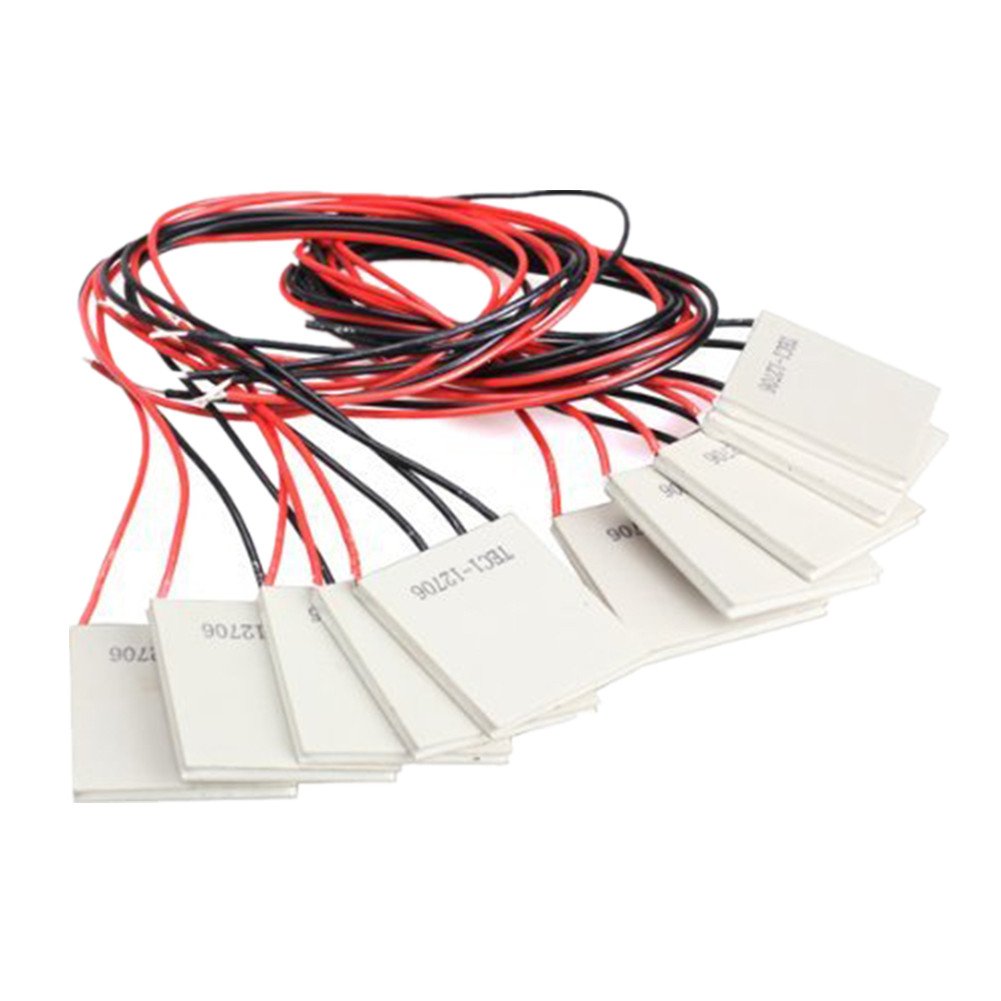
Thermal PlatesPeltier hot/cold
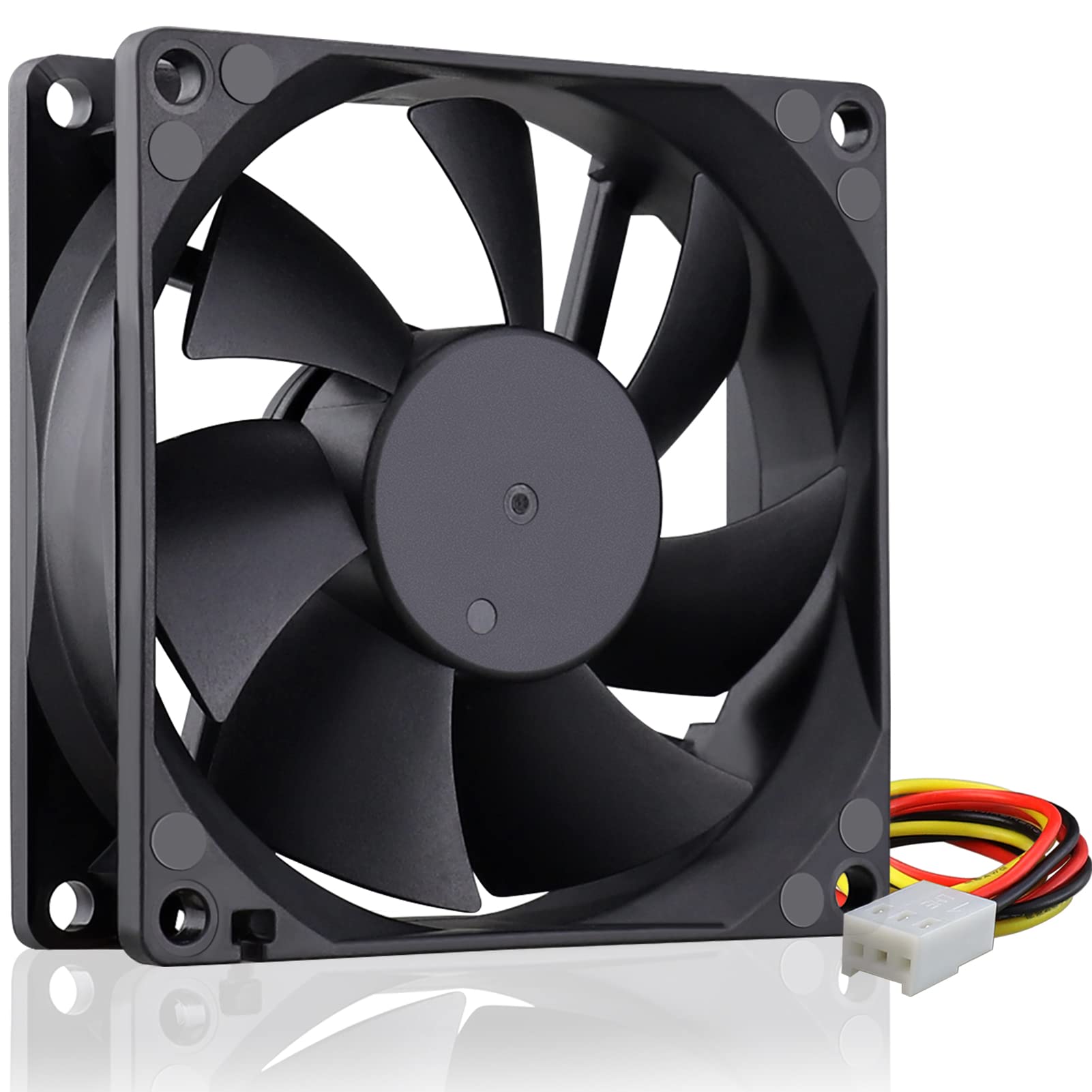
Audio FansAirflow haptics
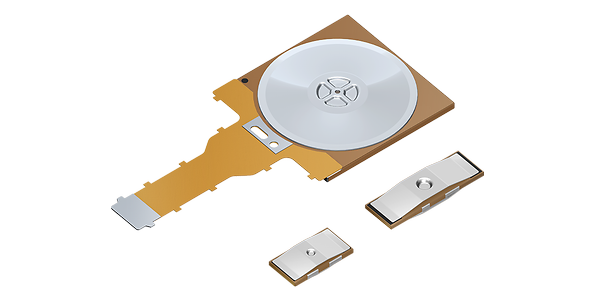
Piezo ActuatorsHigh-voltage bend
ERMsRotary buzz
LRAsLinear resonance
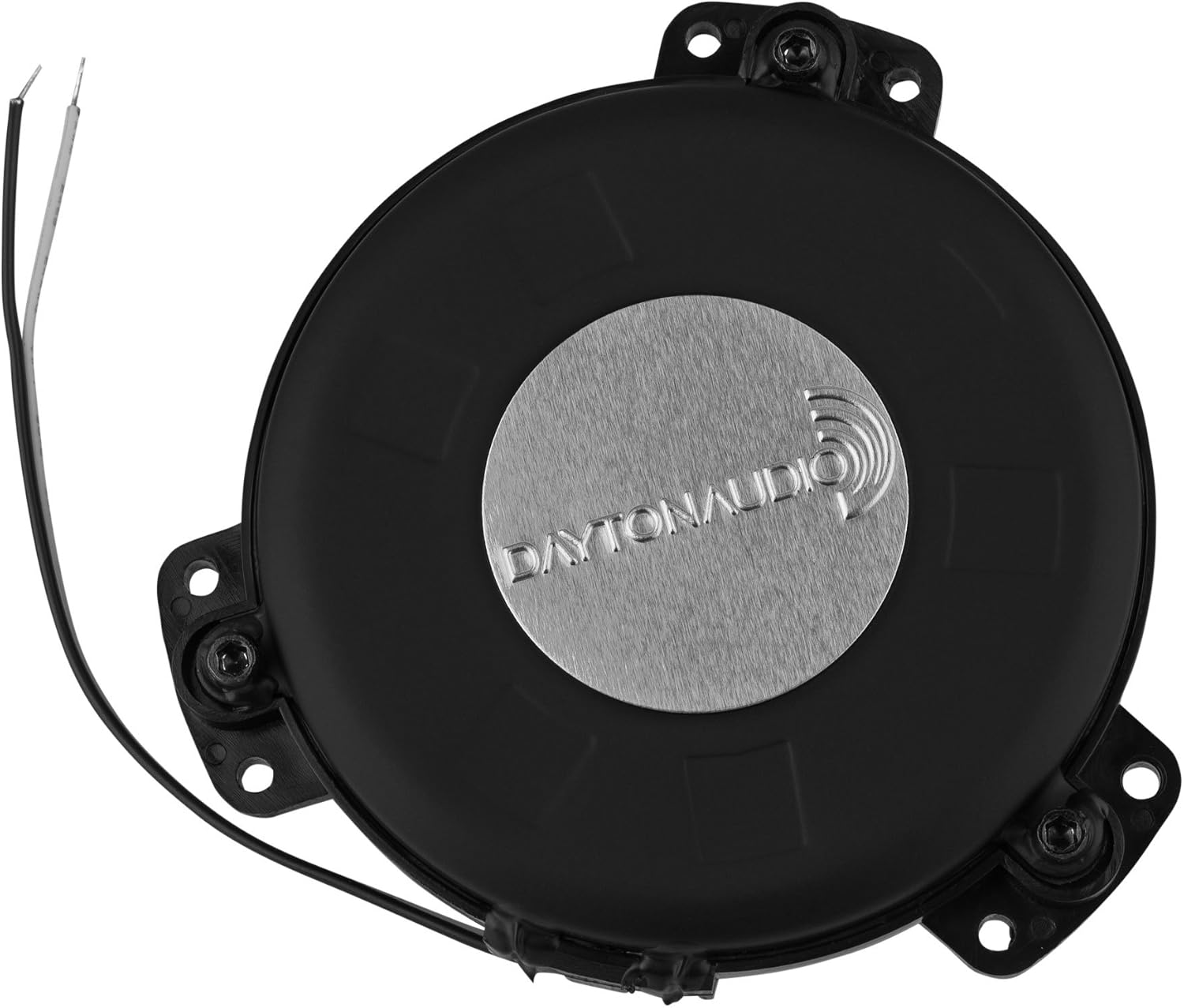
Voice CoilBass shaker / transducer
Haptic KnobsDetents & ticks
Goals: sensor-to-haptic translation, cross-modal mapping, mechanoreceptor targeting
Every station has QR codes linking to full BOMs, source code, and build guides. All off-the-shelf parts.

Mapping Accessibility to Haptics

  • Universal Music Design bridges hearing and Deaf performance spaces through tactile overlays.
  • GestoLumina (Aalborg University Press): gesture-interpreted light, sound, and haptics framework.
  • Sonic Agency (ASSETS '25): technology-mediated performance by Deaf and Hard of Hearing musicians.
  • Haptic and light interfaces powered by ESP32s, with open documentation for makers at all levels.

For the Deaf and Hard of Hearing community,
programmable audio-reactive haptics
are not a novelty.

They are a sensory bridge.

Core Hardware: DFRobot Beetle ESP32-C6
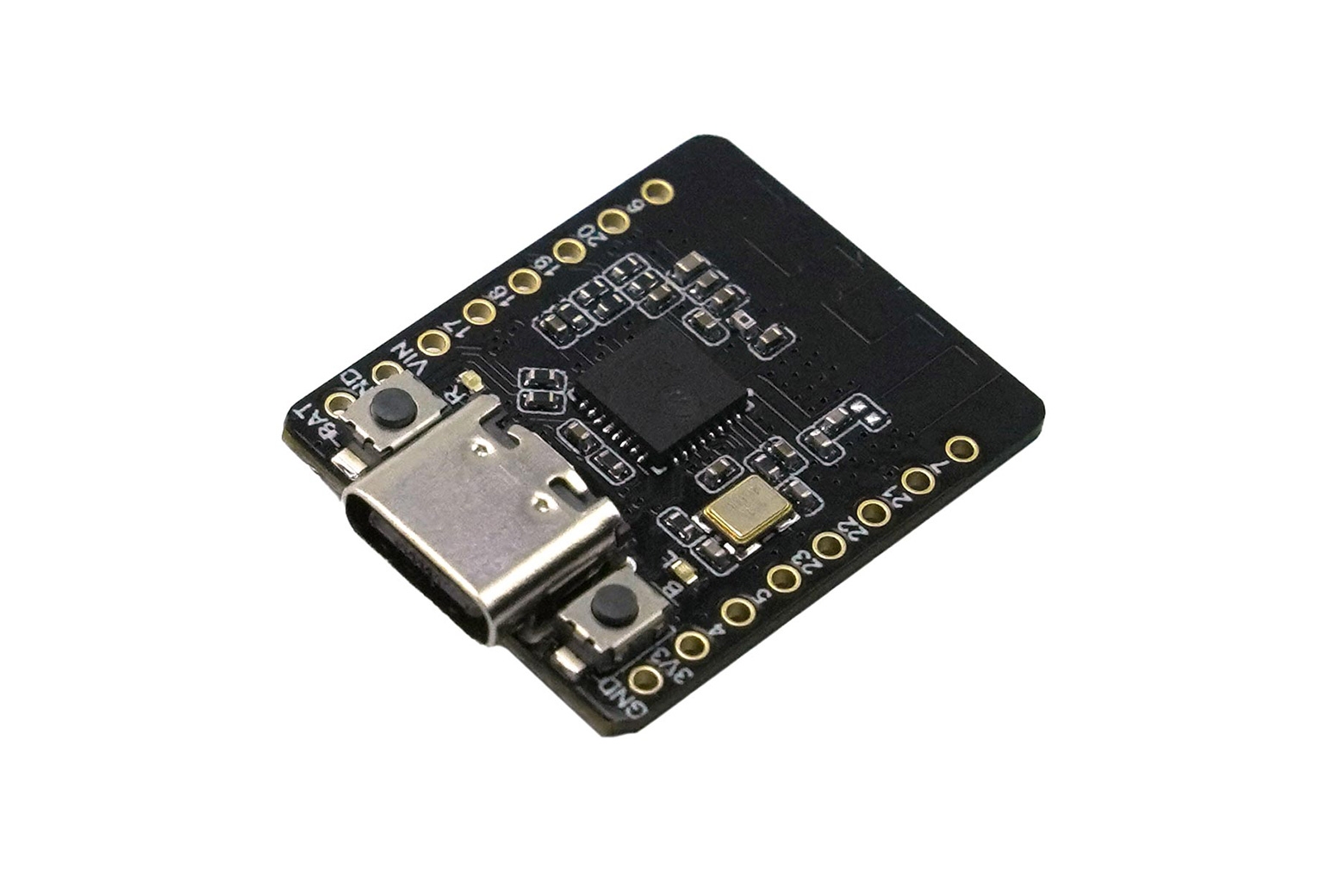
Beetle ESP32-C6 ($4.90)
Beetle ESP32-C6
Ultra-compact for rings and wearables. LiPo charger inbuilt. RISC-V, WiFi 6, BLE 5, Zigbee / Thread / Matter.
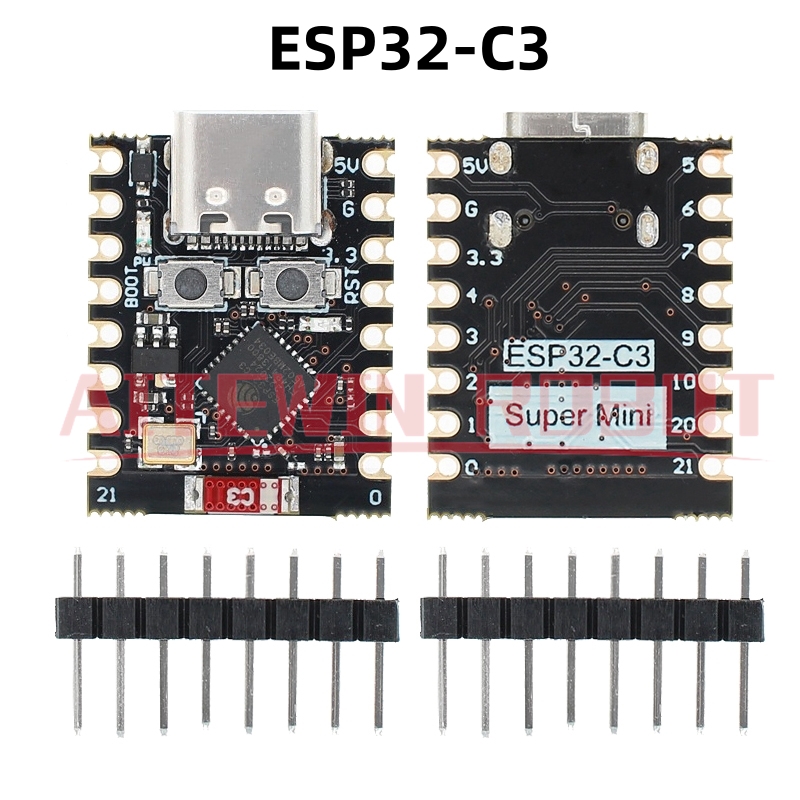
ESP32-C3 Supermini ($1.75~)
ESP32 C3 Supermini
Great for ESP-NOW fleets, but no battery manager and single core.
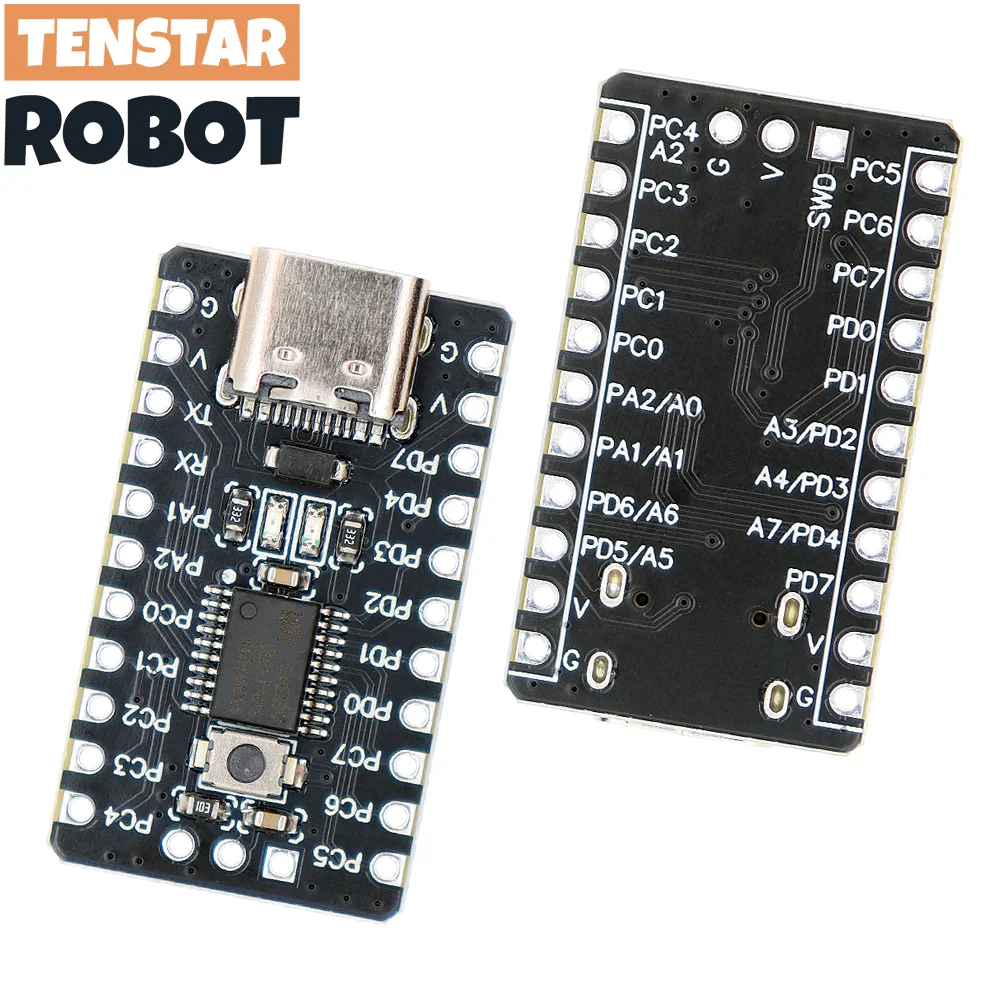
CH32V003 ($0.50~)
CH32V003
The "ten cent microcontroller." Under $0.50 each, pennies on a reel. 5V-only with no 3.3V rail, so sensor options are narrower, but for driving motors it does everything you need. A CH32FUN talk at last year's Teardown got me started, and the tooling is genuinely as smooth as ESP-IDF.

Software: MicroPython vs PlatformIO

MicroPython

  • Real-time compilation. Edit, save, run. No build step.
  • Ideal for rapid prototyping and classroom workshops.
  • Higher power draw. The interpreter never sleeps as efficiently as compiled C.
  • Smaller library ecosystem. Many sensor drivers need manual porting.
  • Timing-critical code (I2S, precise PWM) is harder to get right.

PlatformIO

  • Compiled C/C++. Maximum performance, minimum power draw.
  • Massive library ecosystem. OTA, deep sleep, precise timing out of the box.
  • CLI is outstanding. One command to build, flash, and monitor any board.
  • Longer compile cycles. A full rebuild on a large project can take minutes.
  • Steeper initial setup (toolchains, board definitions, platformio.ini).

PlatformIO's CLI is the real superpower. It is language-agnostic. Shell out to pio run -t upload from Python, Node, Electron, or anything else, and you have a custom flash toolchain in an afternoon. The uploader below is exactly that: a thin web GUI over the CLI.

GestoLumina & UMD Journey

  • GeLu 1: Felt Sound research to wireless ESP32-S3 and TensorFlow Lite gesture ML.
  • GeLu 2 to 3: iterative wearables, custom PCBs, Bambu Lab rapid enclosures.
  • Audio Reactive Masks: Jazz Prism Project, light and haptic sync for performers.
  • SynchroGlove: experimental datagloves for ensemble timing.
GestoLumina origins Audio reactive masks SynchroGlove datagloves

Mechanoreceptors: How We Feel

  • Pacinian Corpuscles: high-frequency vibrations (200 to 300 Hz), LRAs and transducers.
  • Meissner Corpuscles: low-frequency vibrations or slip (30 to 50 Hz), ERM buzzers.
  • Merkel Discs and Ruffini Endings: static pressure and stretch, servos and solenoids.

Actuator Modality 1: Solenoids & Servos

  • Merkel and Ruffini receptors respond to physical pressure and impact.
  • Solenoids: high-impact sharp taps and clicks, excellent UI confirmations.
  • Servos: steady, continuous pressure patterns and stretch sensations.
  • Pros: structural realism. Cons: heavy, bulky, power-hungry.

Actuator Modality 2: ERMs & LRAs

ERM (Rotary)
LRA (Linear)
  • ERM: asymmetric weight on DC motor. Pulse forward-reverse for sharp snaps, not 100% buzz.
  • LRA: mass on spring, crisp clicks at resonant frequency.
  • LRA resonant frequency matters. Off-resonance still vibrates, but wastes watts as heat instead of motion.

How Vibration Motors Work

  • Wire wrapped around a coil on a shaft, surrounded by magnets or more wire windings.
  • Current through the coil pushes the shaft against magnetic fields.
  • ERM: offset mass spins and throws the whole motor off balance.
  • LRA: mass shuttles back and forth on a spring at a tuned frequency.

How Motors Are Made

  • Brushed: coil on the rotor, magnets in the housing. Carbon brushes carry current to the spinning coil through a commutator. Simple, cheap, wears out.
  • Brushless (BLDC): magnets on the rotor, coils in the housing. An ESC switches coil phases electronically. No brushes to wear, but needs a driver IC.
  • The principle is the same: current through wire creates a magnetic field that pushes against another magnetic field, whether from permanent magnets or more wire windings.
  • PCB motors: coils etched directly onto a circuit board. Flat, ultra-thin, no mechanical winding. Limited torque, but ideal for coin-style haptic actuators.
  • Demagnetization: permanent magnets lose strength when heated past their Curie threshold. Ferrite starts fading at 80C. Neodymium handles more but is not immune.
  • In a closed wearable with no airflow, continuous duty can reach those temperatures in minutes.
  • Once demagnetized, the motor is permanently weaker. Cooling does not restore the field.
  • Takeaway: duty-cycle limits and thermal monitoring are not optional for wearable haptics.

Actuator Modality 3: Advanced Modalities

Actuator The Catch
Bass shaker Mini Bass Shaker (8 Ohm)
Requires AC audio power. DC offset or clipping causes overheating and self-destruction.
Piezo Piezoelectric Actuators
60V to 150V+ drive, specialized boost converters. Fragile to bending stress.
Peltier Thermal (Peltier)
12V 5.8A, massive heat sinks required or instant burnout.
Fan Fans / Air Haptics
Deafeningly loud when pushed to simulate strong wind.

Haptic Circuits: MOSFETs & H-Bridges

PWM Duty Cycle (audio-reactive ribbon)
DUTY CYCLE: 50%
  • GPIO pins output control signals, not high power.
  • MOSFETs: single direction for ERMs, LRAs, solenoids, Peltier.
  • H-Bridges: dual direction for active braking and dual-polarity actuators.
  • PWM maps frequency and amplitude to duty cycle for haptic intensity.

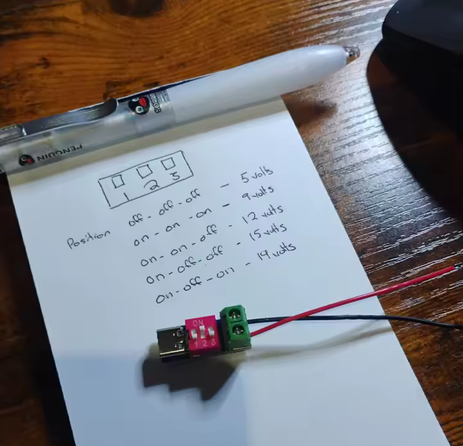
Power Delivery: USB-C PD Decoy

  • Heavy solenoids, Peltier plates, and transducers need more than 5V USB.
  • PD Decoy negotiates 9V, 12V, 15V, or 20V directly from USB-C chargers.
  • Configurable via DIP switches, less than one dollar each.
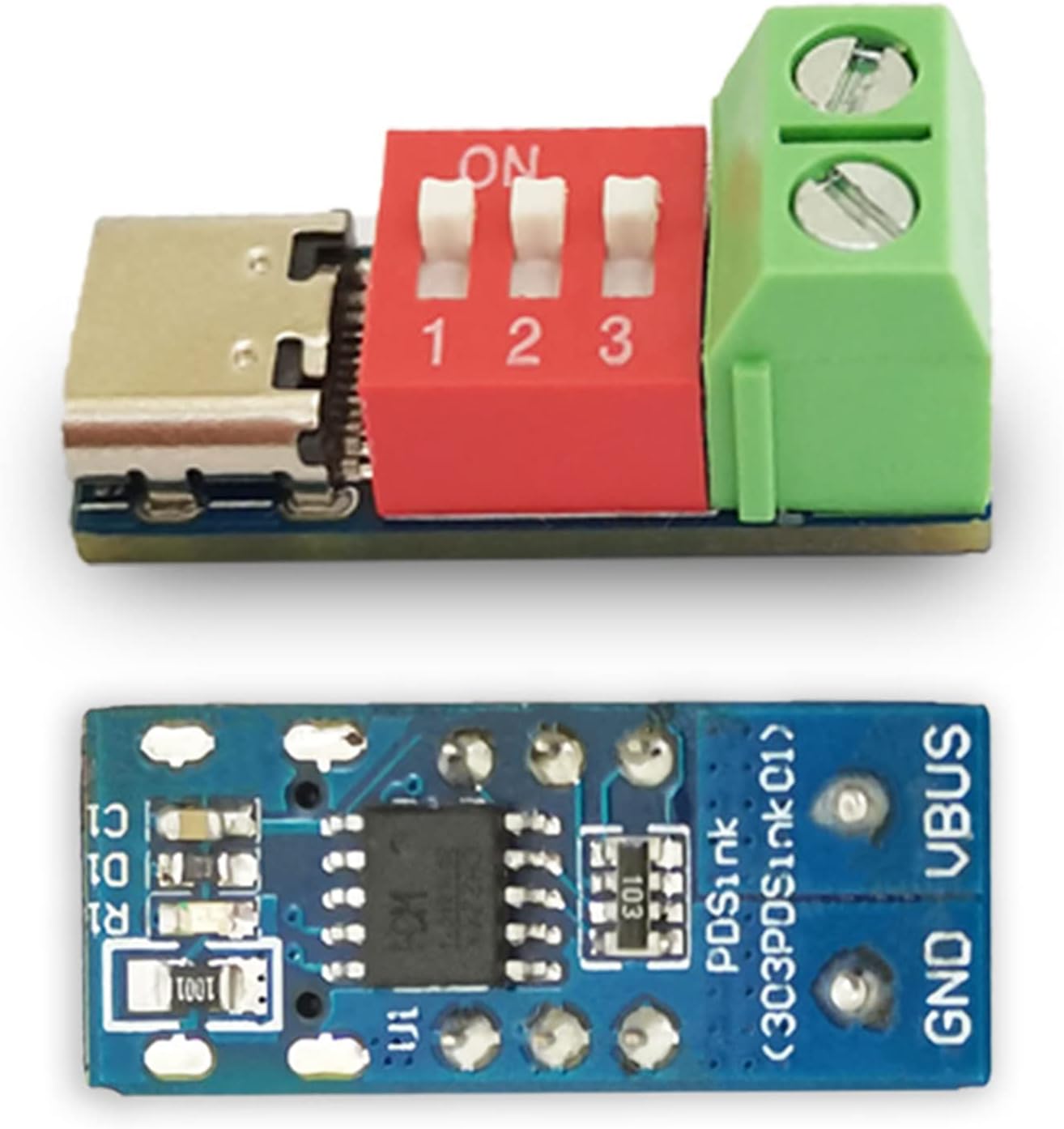
PD Module PD DIP settings

Free yourself from the tyranny of batteries!

Digital Signal Processing: FFT & Smoothing

CLICK OR PRESS ARROW TO ENABLE MIC
  • FFT separates audio into frequency bins. Map bass to body transducers, mids to hand LRAs.
  • Normalize and smooth: raw signals are jittery, use delta smoothing in non-blocking loops.
  • Rule of thumb: keep response times under 15ms with millis() scheduling.
  • Red, yellow, and blue motors below react to bass, mid, and treble bins in real time.

Live Fleet Command

How this portal connects (not Bluetooth for fleet):
1. Flash a Mesh Master build on the leader Beetle (PlatformIO env c3WIFILED_MASTER).
2. Leader broadcasts WiFi SoftAP at 192.168.4.1. Join that network on the laptop WiFi radio only.
3. Run present.bat on the laptop. Slides load from localhost.
4. Fleet commands go over HTTP POST /json/fleet (proxied to the hub). Live telemetry uses WebSocket ws://192.168.4.1/ws.
5. Followers receive haptics over ESP-NOW, not WiFi. Bluetooth is for single-device mode via bluetooth.html.
GPIO 6MOSFET gate (motor PWM output)
GPIO 5WS2812 LED strip (optional status)
I2S BCLK / WS / SDINMP441 mic (assign in Haxel portal after first boot)
Motor +MOSFET drain. Motor GND to common ground.
DEMO MODE Hub: 192.168.4.1
Leader Mic Level
59%

Sensation Synthesis: Illusion of Wetness

  • Humans have no hygroreceptors. Wetness is inferred from combined signals.
  • Simulate with slick high-frequency vibration plus rapid Peltier cooling.
  • Petting zoo station: feel vibration on skin while the thermal plate cools your palm.
  • Many complex sensations can be synthesized with multi-modal haptics.
Sensation Synthesis Formula
Wetness = Low Friction (Vibration) + Cooling (Thermal)
Illusion of wetness

Immersive Accessibility & UMD

  • Universal Music Design builds shared performance spaces for hearing and Deaf artists.
  • Sensory substitution: acoustic performance becomes vibro-tactile and visual signals.
  • Audio reactive masks: real-time light pulses and frequency-mapped haptic straps.
Audio reactive masks

Existing Wearables: Success vs. Failure

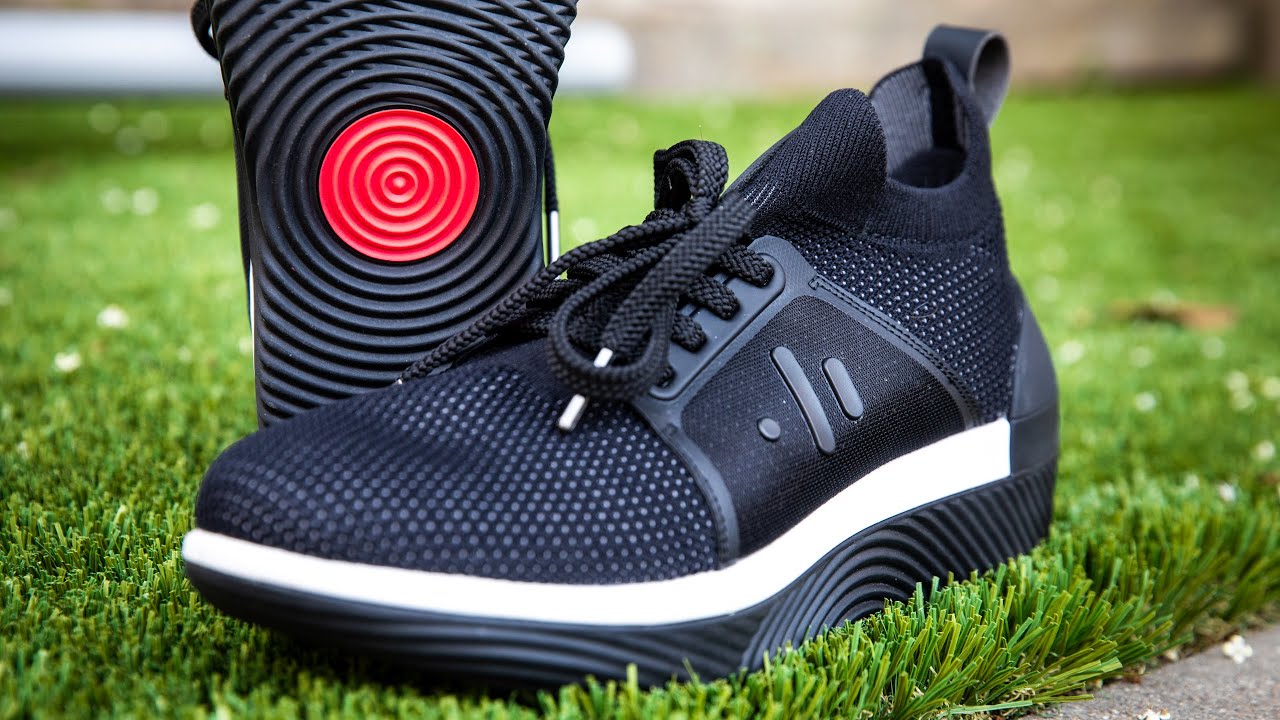
Haptic shoes

Haptic Shoes

Expensive, not easily shared, not easily washed.
Woojer vest

Woojer Vest

Plug and play like headphones, but limited to 0 to 250 Hz, peaking near 42 Hz.
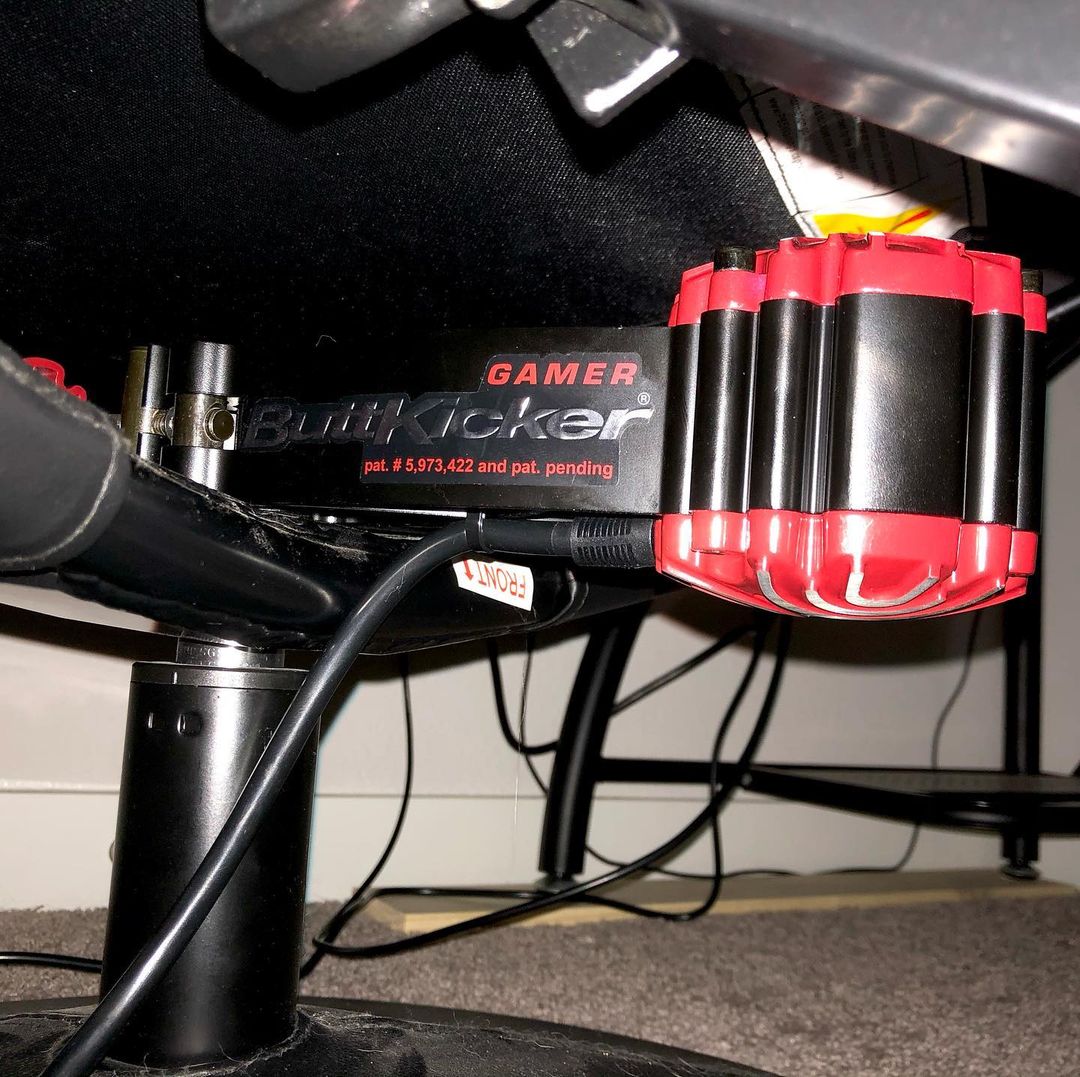
Buttkicker

Buttkicker

Powerful but stationary. Works with any chair. Your downstairs neighbor will hate you.

Responsibility & Safe Design

  • HAVS: prolonged strong vibrations cause permanent nerve and vessel damage.
  • Strobing effects can trigger seizures. Stay outside photosensitive frequency zones.
  • Never place active haptics on eyeballs (immune-privileged area).
  • Material safety: avoid nickel, latex, and cheap adhesives on wearable straps.

SAFETY FIRST: software timers, physical guards, and fleet E-stop before every demo.

Thermal reality: motors heat up faster than speakers. A small ERM or LRA in a closed wearable can hit painful temperatures in minutes. Speakers shed heat through the cone and enclosure. Motors need airflow, duty-cycle limits, or heatsinks to go further without burning skin or demagnetizing the coil.

Petting Zoo Stations & Q&A

  • Walk the DreamTENT stations. Each has a unique actuator profile and QR code.
  • Scan QR codes for schematics, source code, and BOMs.
  • Try the Smartphone Haptics miniproject (Android Chrome, Web Vibration API).
  • GitHub: DillonSimeone/Website, Haxel workshop files.

Smartphone Haptics (Android)

Smartphone Haptics QR

Thank You!

Speaker Notes (N to toggle)

Loading notes...